

Last Update On: 10 Aug 2026

Discover how fashion and health intersect to help you look good, feel comfortable, and support your overall well-being. Fashion and personal health are deeply connected, as what we wear can influence physical comfort, confidence, mood, mental outlook, and daily energy levels. Choosing the right clothes goes beyond following seasonal trends—it can help reduce daily stress, encourage an active lifestyle, and boost self-confidence. Explore practical tips for dressing intentionally to support both your personal style and health, so you can feel comfortable, confident, empowered, and fabulous every day.
Sustainable Beauty Trends 2026: Healthy Fashion Guide
How Fashion Choices Impact Your Health, Comfort, Mood & Confidence
Introduction
In today’s fast-paced world, the intersection of health and fashion has become more relevant than ever. It’s not just about looking good; it’s about feeling great too. This blog post explores how you can achieve both by making mindful, health-conscious choices in your daily wardrobe and personal style.
Key Topics Covered
- The Connection Between Fashion & Mental Wellness
- Choosing Health-Conscious & Breathable Fabrics
- Dressing to Boost Confidence & Self-Esteem
- Understanding "Enclothed Cognition" & Mood
- Practical Tips for a Balanced, Health-First Wardrobe
The Connection between Fashion and Wellness
Fashion isn’t just about aesthetics; it has a profound impact on our mental and physical well-being. When we dress in a way that aligns with our personal style and comfort, we feel more confident and empowered. This section delves into how clothing choices can affect our mood and overall health.
Choosing the Right Fabrics
The fabrics we choose play a crucial role in our comfort and health. Natural, breathable materials like cotton, linen, and bamboo are excellent choices for maintaining physical comfort throughout the day. This section will provide tips on selecting fabrics that are both stylish and health-conscious.

Dressing for Confidence
Clothing can significantly impact our self-esteem and confidence levels. Wearing outfits that make us feel good can boost our mood and help us tackle the day with a positive mindset. Here, we’ll discuss how to curate a wardrobe that reflects your authentic self and enhances your confidence.
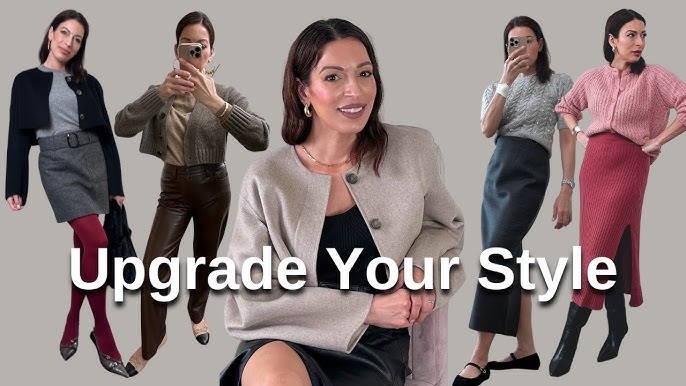
The Psychological Impact of Fashion
The concept of “enclothed cognition” suggests that the clothes we wear can influence our psychological state. This section will explore how different styles and colors can affect our mood and how to use fashion as a tool for mental well-being.

Practical Tips for a Health-Conscious Wardrobe
1- Prioritize Comfort: Choose clothing that allows for ease of movement and doesn’t restrict you.
2- Opt for Breathable Fabrics: Natural materials like cotton and linen are great for maintaining comfort.
3- Invest in Quality: High-quality clothing lasts longer and is often better for your health and the environment.
4- Express Your Style: Wear what makes you feel good and reflects your personality.
Most Beautiful Women Around the World: Inspiring Traits "Every Woman Can Follow”
FAQs: The Intersection of Health and Fashion: How to Look Good and Feel Great
1. What is the connection between health and fashion?
Health and fashion are interconnected in many ways. The clothes we wear can impact our physical comfort, mental well-being, and overall confidence. Choosing the right fabrics, fits, and styles can enhance both how we look and how we feel.
2. How can fashion positively affect mental health?
Fashion can boost mental health by enhancing self-esteem and confidence. Wearing clothes that reflect your personal style and make you feel good can improve your mood and overall outlook. This concept is known as “enclothed cognition,” where the symbolic meaning of clothing influences our psychological state.
3. What are some tips for choosing health-conscious fashion?
· Opt for natural, breathable fabrics like cotton, linen, and bamboo.
· Choose comfortable fits that allow for ease of movement.
· Avoid restrictive clothing that can cause discomfort or health issues.
· Consider the psychological impact of your clothing choices; wear what makes you feel confident and happy.
4. Can fashion choices impact physical health?
Yes, fashion choices can significantly impact physical health. Wearing clothes that are too tight or made from non-breathable fabrics can lead to skin irritation, restricted movement, and other health issues. Prioritizing comfort and fit is essential for maintaining physical well-being.
5. How can I balance looking stylish and feeling comfortable?
Balancing style and comfort involves choosing versatile pieces that are both fashionable and functional. Look for clothing that fits well, feels good against your skin, and aligns with your personal style. Accessories can also enhance your look without compromising comfort.
6. What role does personal style play in overall well-being?
Personal style plays a crucial role in overall well-being by allowing self-expression and boosting confidence. When you dress in a way that feels authentic to you, it can positively impact your self-esteem and how you interact with the world.
7. Are there any specific fashion trends that promote health and wellness?
Yes, trends like athleisure, which combines athletic wear with leisurewear, promote both health and fashion. These trends focus on comfort, functionality, and style, making it easier to look good and feel great simultaneously.
8. How can I use fashion to improve my mood?
You can use fashion to improve your mood by wearing clothes that make you feel good and reflect your personality. Bright colors, comfortable fabrics, and favorite pieces can all contribute to a better mood and increased confidence.
9. What are some common mistakes to avoid when choosing health-conscious fashion?
· Avoid overly tight clothing that restricts movement.
· Steer clear of synthetic fabrics that don’t breathe well.
· Don’t sacrifice comfort for style; find a balance that works for you.
· Be mindful of trends that may not suit your body type or comfort needs.
10. How can I stay updated on the latest health and fashion trends?
Stay updated by following fashion blogs, health magazines, and social media influencers who focus on the intersection of health and fashion. Attending fashion shows and reading industry reports can also provide insights into the latest trends.
11. How does the concept of "dopamine dressing" affect mental health?
Dopamine dressing is the practice of wearing specific colors, textures, or styles that trigger a release of dopamine (the "feel-good" hormone) in your brain. Bright colors, flattering fits, and soft fabrics can instantly elevate your mood, reduce anxiety, and improve overall mental outlook.
12. Why are natural fabrics better for skin and body health than synthetic fabrics?
Natural fabrics like organic cotton, linen, silk, and bamboo are inherently breathable, hypoallergenic, and moisture-wicking. Unlike synthetic fabrics (such as polyester or nylon), natural fibers prevent sweat trapped against the skin, reducing skin irritation, bacterial growth, and heat rashes.
13. Can tight clothing cause real physical health problems?
Yes. Frequently wearing excessively tight clothing (like tight jeans, shapewear, or restrictive waistbands) can lead to nerve compression (meralgia paresthetica), poor blood circulation, acid reflux/heartburn, and skin chaffing or fungal infections.
14. How does proper footwear impact posture and joint health?
Footwear forms the foundation of your posture. High heels and unsupportive flat shoes alter your body’s natural alignment, placing extra stress on the ankles, knees, hips, and lower back. Choosing shoes with proper arch support and cushioning helps maintain natural alignment and prevents chronic joint pain.
15. What is athleisure, and how does it promote a healthier lifestyle?
Athleisure is a style trend that blends athletic clothing (like leggings, performance tops, and sneakers) with everyday wear. Because it prioritizes comfort and flexibility, athleisure makes it easier to stay active throughout the day, encouraging spontaneous walking, stretching, and physical activity.
16. How does temperature regulation in clothing improve sleep and daily energy?
Wearing thermoregulating fabrics helps your body maintain a balanced core temperature throughout the day and night. When your body doesn't have to work hard to cool down or warm up, you expend less energy, suffer less physical fatigue, and enjoy better focus.
17. How does eco-friendly and non-toxic clothing benefit personal wellness?
Conventional textile manufacturing often uses harsh chemicals, synthetic dyes, and heavy metals. Choosing eco-friendly clothing made with non-toxic dyes and organic materials reduces your exposure to skin-absorbed toxins and supports environmental sustainability.
18. What is the psychological link between clothing fit and body image?
Wearing clothes that fit your body comfortably—rather than trying to squeeze into a specific size—fosters body positivity and self-acceptance. Ill-fitting clothes can trigger negative self-talk, whereas well-tailored outfits reinforce a healthy, positive self-image.
19. How can I dress comfortably for a desk job while maintaining professional style?
Opt for structured yet stretchy fabrics like pontes or knits, tailored wide-leg trousers with elastic backs, breathable cotton blouses, and ergonomic footwear or stylish loafers. This allows full freedom of movement and digestive comfort while maintaining a sharp, professional look.
20. What are the best ways to build a health-first daily wardrobe?
Start by prioritizing comfort and fabric quality. Audit your current wardrobe to remove items that pinch, itch, or restrict your movement. Invest in breathable foundation pieces, supportive footwear, and versatile layers that accommodate body weight fluctuations naturally.
Check details here for Top Nail Trends in the U.S. 2025: Butter Yellow, Chrome, Mocha Mousse & More
Conclusion: Embrace Style That Makes You Feel Amazing
Looking stylish and feeling great are deeply connected. By choosing breathable fabrics, comfortable fits, and outfits that reflect your personal identity, you nourish both your physical health and mental well-being. True fashion isn't about following restrictive rules or sacrificing comfort for aesthetics—it's about empowering yourself to live with confidence, vitality, and ease every day.
As you build a health-first wardrobe, remember that small changes—like prioritizing supportive footwear or opting for organic textiles—can make a massive difference in your daily energy levels and self-esteem.
We'd love to hear from you! How do you balance comfort, health, and style in your daily routine? Do you have a favorite fashion piece that instantly boosts your mood? Drop your thoughts and tips in the comments below!
👉 Follow us for fastest updates:
Pinterest, LinkedIn, Facebook, Telegram, Instagram, Facebook Page
Disclaimer:
The health, wellness, and fashion insights provided in this article are for informational and educational purposes only. While dressing for comfort and choosing non-toxic materials supports general well-being, this content is not intended as medical advice. Always consult a healthcare professional for specific physical health concerns or skin conditions. Any brand recommendations or styling tips reflect independent editorial recommendations.

We welcome your comments and feedback. Feel free to share this article on Pinterest, Facebook, Instagram, LinkedIn, and Twitter to support our blog and help others discover healthy lifestyle and fashion tips.