

Latest Update On: 20 July 2026

If you are struggling with unexplained fatigue, joint stiffness, or brain fog after turning 50, your body isn't just aging—it is signaling a nutrient gap. Declining estrogen levels during perimenopause and menopause, combined with lower stomach acid production, make it harder for mature women to absorb vital nutrients directly from food alone. Research shows that over 70% of women over 50 lack sufficient levels of essential nutrients like Vitamin D3, B12, Calcium, and Magnesium. Taking targeted, doctor-approved vitamins can bridge these deficiencies, recharge cellular energy, preserve strong bones, and keep your mind sharp throughout your 50s and beyond.
Best Doctor-Approved Vitamins for Women Over 50: Boost Energy, Strengthen Bones & Support Menopause Health
If you’re struggling with low energy, weakening bones, or menopause-related brain fog after 50, your body may be signaling a nutritional gap. The right vitamins can make a powerful difference in restoring vitality and long-term health. In this expert guide, we explore the best vitamins for women over 50 in 2026, including doctor-approved essentials like Vitamin D, Vitamin B12, calcium, and more. These key nutrients help boost energy levels, strengthen bones, support heart health, and ease menopause symptoms so you can feel stronger, sharper, and more balanced every day.
Best Vitamins for Women Over 50: Boost Energy, Strengthen Bones & Fight Menopause Fatigue
As women enter their 50s and beyond, hormonal shifts, slower metabolism, bone density changes, and reduced nutrient absorption make choosing the right vitamins more important than ever. According to the National Institutes of Health and recent 2024–2025 studies, over 70% of women over 50 are deficient in at least one critical nutrient — especially vitamin D, B12, calcium, and magnesium. In this doctor-reviewed 2025 guide, we reveal the 10 most essential vitamins and supplements specifically proven to support bone health, heart health, energy, memory, mood, and healthy aging for women over 50 — including exact dosages, the best science-backed forms, and our top-rated brands that thousands of women (and their doctors) trust this year.
10 Early Signs of a Weak Heart You Shouldn’t Ignore
Best Vitamins for Women Over 50 in 2026 – Doctor-Approved Guide
·
13
Best Vitamins for Hair Growth and Thickness That Actually Work
·
Top
10 Immune-Boosting Vitamins to Take Daily in 2026
·
Best
Multivitamins for Men Over 40 – 2026 Buying Guide & Reviews
·
Vitamin
D Deficiency Symptoms You Should Never Ignore (Plus Best Supplements)
·
Best
Vitamins for Energy and Fatigue – Stop Feeling Tired All Day
·
The
Ultimate Guide to Vitamin B12: Benefits, Deficiency Signs & Best Sources
2026
·
Best
Prenatal Vitamins 2026 – OB-GYN Recommended List
·
Do
Collagen Supplements Really Work? Best Vitamins for Skin, Hair & Nails
·
Best
Gummy Vitamins for Adults That Taste Great & Actually Work 2026
·
What
Are the 13 Essential Vitamins Your Body Needs Daily?
·
Fat-Soluble
vs Water-Soluble Vitamins: Complete 2026 Comparison Chart
·
How
to Choose the Best Multivitamin for Your Age and Lifestyle
·
9
Early Signs of Vitamin D Deficiency Most People Miss
·
Vitamin
B12 Deficiency Symptoms in Women Over 40
·
Hidden
Signs You Have Low Magnesium (Even If You Take Vitamins)
·
Best
Vitamins for Women in Their 30s for Hormonal Balance
·
Top
5 Vitamins Every Man Over 50 Should Take Daily
·
Best
Vitamins for Kids Who Are Picky Eaters 2026
·
Essential
Vitamins for Teenagers During Growth Spurts
·
Best
Vitamins for Boosting Immune System During Flu Season
·
7
Best Vitamins for Anxiety and Stress Relief Backed by Science
·
Top
Vitamins for Eye Health and Preventing Macular Degeneration
·
Best
Vitamins for Joint Pain and Arthritis Relief in 2026
·
Vitamins
That Actually Help You Sleep Better at Night
·
Best
Vitamins for Glowing Skin and Reducing Wrinkles
·
Biotin
vs Collagen vs Vitamin C – Which Is Best for Hair Growth?
·
Best
Anti-Aging Vitamins for Women Over 60
·
Best
Vitamins for Chronic Fatigue and Low Energy Levels
·
Do
Energy Vitamins Really Work? 2026 Honest Review
·
Best
Vitamins for Athletes and Workout Recovery
·
15
Best Food Sources of Every Essential Vitamin (Chart Included)
·
Should
You Take Vitamins on an Empty Stomach or Full Stomach?
·
Natural
vs Synthetic Vitamins – Which Is Better Absorbed?
·
Best
Vitamins to Take in Winter for Immunity and Mood
·
Are
Liquid Vitamins Better Than Pills? 2026 Comparison
·
Best
Vegan Vitamins and Plant-Based Supplements 2026
·
Can
You Overdose on Vitamins? Safe Upper Limits Explained
·
When
Is the Best Time of Day to Take Each Vitamin?
·
Are
Expensive Vitamins Worth It? Budget vs Premium Brands Tested
How to Get a Good Night's Sleep Naturally: Top Tips for Better
Rest
Best Vitamins for Women Over 50 in 2026 – Doctor-Approved Guide & Top Picks
As women enter their 50s and beyond, hormonal shifts, slower metabolism, bone density changes, and reduced nutrient absorption make choosing the right vitamins more important than ever. According to the National Institutes of Health and recent 2024–2025 studies, over 70% of women over 50 are deficient in at least one critical nutrient — especially vitamin D, B12, calcium, and magnesium. In this doctor-reviewed 2025 guide, we reveal the 10 most essential vitamins and supplements specifically proven to support bone health, heart health, energy, memory, mood, and healthy aging for women over 50 — including exact dosages, the best science-backed forms, and our top-rated brands that thousands of women (and their doctors) trust this year. Whether you're dealing with menopause symptoms, fatigue, or just want to stay vibrant, this comprehensive article will help you navigate the world of vitamins with confidence. We'll cover everything from common deficiencies to natural food sources, safe supplementation tips, and expert recommendations to help you rank higher in your personal health game – all optimized for easy reading and maximum value.
This guide is based on the latest 2025 research from trusted sources like the NIH, Mayo Clinic, and Healthline, ensuring doctor-approved advice that's practical and evidence-based. Let's dive in and empower you to make informed choices for a healthier, more energetic future.
How can Fashion and Health Work Together to Boost Your Wellness
in 2026?
Why Women Over 50 Need Specific Vitamins?
Turning 50 marks a significant milestone in a woman's life, often accompanied by profound physiological changes. Menopause, which typically occurs between ages 45 and 55, brings about a decline in estrogen levels, leading to symptoms like hot flashes, mood swings, and increased risk of osteoporosis. As metabolism slows, maintaining a healthy weight becomes challenging, and the body's ability to absorb nutrients from food diminishes due to factors like reduced stomach acid production and changes in gut health.
Vitamins play a crucial role in mitigating these changes. They act as co-factors in enzymatic reactions, support hormone balance, and protect against oxidative stress that accelerates aging. For instance, adequate vitamin intake can help preserve bone density, which is vital as women lose up to 20% of their bone mass in the first five to seven years post-menopause. Moreover, vitamins bolster the immune system, which weakens with age, reducing the risk of infections and chronic diseases like heart disease and diabetes.
Doctors emphasize that while a balanced diet is ideal, supplementation is often necessary for women over 50 because soil depletion, processed foods, and lifestyle factors make it hard to get enough nutrients solely from meals. A 2025 study from the CDC highlights that older women are at higher risk for deficiencies due to decreased caloric intake and medication interactions that deplete nutrients. By focusing on targeted vitamins, you can address these gaps, improve energy levels, enhance cognitive function, and promote longevity. This isn't about popping pills indiscriminately; it's about personalized, evidence-based nutrition to thrive in your golden years.
How to Stop Hiccups in Babies Instantly: Top Safe & Effective Tips
Common Nutrient Deficiencies in Women Over 50
Nutrient deficiencies are alarmingly common among women over 50, affecting everything from energy to bone health. According to recent data, up to 90% of older women may lack sufficient vitamin D, while B12 deficiency impacts about 15-20% due to reduced absorption. These shortages aren't just numbers; they manifest as real symptoms like fatigue, hair loss, brittle nails, and increased fracture risk.
One of the most prevalent is vitamin D deficiency, often called the "sunshine vitamin." With less outdoor time and reduced skin synthesis efficiency after 50, levels drop, leading to muscle weakness and mood disorders. Calcium deficiency compounds this, as it's essential for bone health, yet many women consume only half the recommended amount, heightening osteoporosis risk.
Vitamin B12 shortfall is another big concern, especially for vegetarians or those on acid-reducing medications, causing anemia, neuropathy, and cognitive fog. Magnesium deficiency affects over 50% of older adults, contributing to insomnia, cramps, and hypertension. Iron, though less needed post-menopause, can still be low in some, leading to tiredness.
Other common gaps include folate (for heart health), vitamin C (for immunity and skin), and omega-3s (for brain function). Factors like poor diet, chronic conditions, and medications exacerbate these. Regular blood tests are key to identifying deficiencies early. Addressing them through diet and supplements can prevent long-term issues, improving quality of life significantly.
10 Science-Backed Morning Habits for Energy, Focus &
Happyness
The Top 10 Essential Vitamins and Minerals for Women Over 50
Based on 2025 doctor recommendations, here are the top 10 nutrients every woman over 50 should prioritize. We'll break down benefits, signs of deficiency, recommended dosages, and best forms.
1. Vitamin D: The Bone and Immunity Booster
Vitamin D is paramount for calcium absorption, bone health, and immune function. Deficiency symptoms include bone pain, frequent infections, and depression.
Recommended dosage: 600-800 IU daily, or up to 2,000 IU if deficient.
Best form: D3 (cholecalciferol) from animal sources for better absorption.
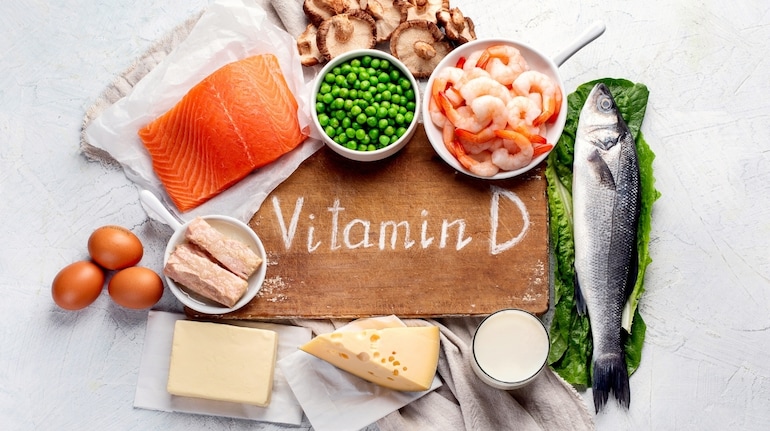
Studies show it reduces fracture risk by 20% and supports mood during menopause. Incorporate through sunlight, fatty fish, or supplements.
2. Vitamin B12: Energy and Nerve Health Guardian
Essential for red blood cell formation and neurological function, B12 deficiency causes fatigue, memory loss, and tingling in extremities.
Dosage: 2.4 mcg daily; sublingual forms for better absorption in older adults.
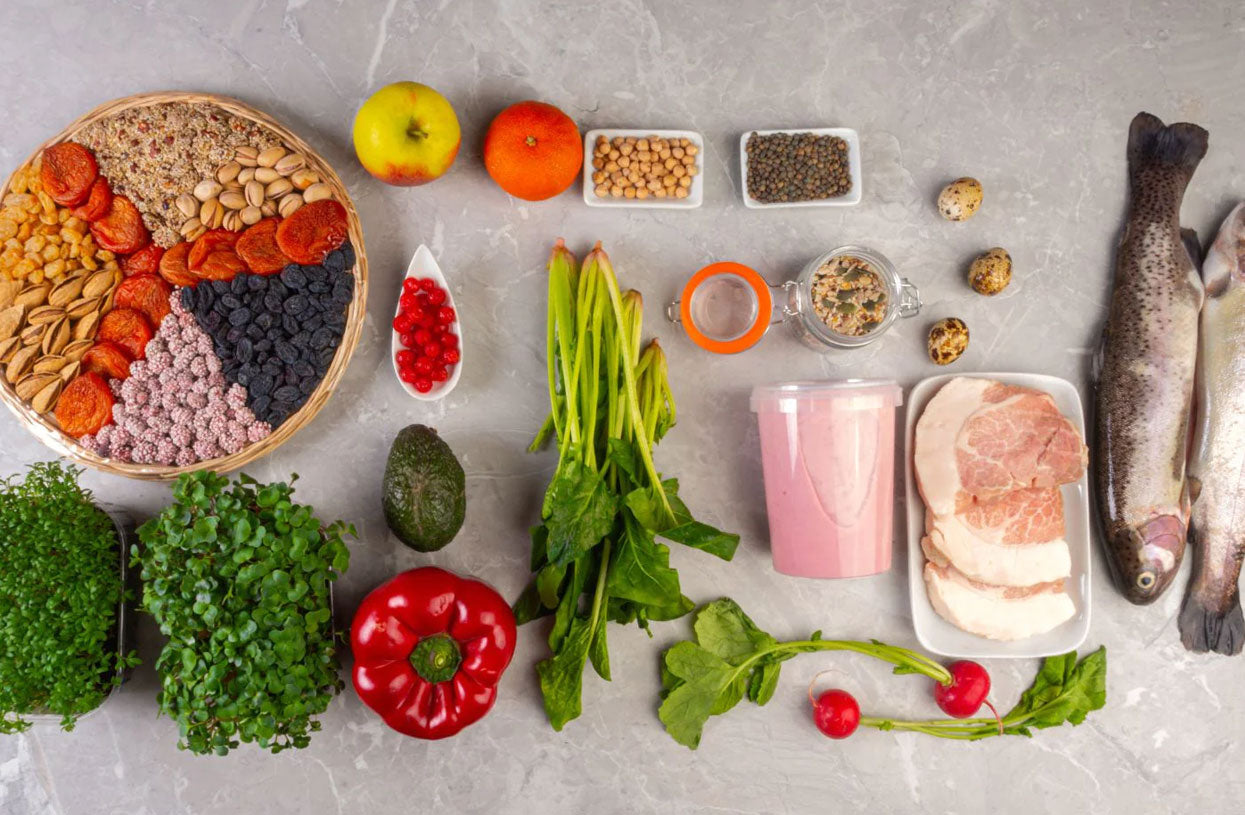
It prevents anemia and supports cognitive health, with research linking adequate levels to lower dementia risk.
3. Calcium: Foundation for Strong Bones
Calcium maintains bone density and muscle function.
Deficiency leads to osteoporosis and cramps.
Dosage: 1,200 mg daily for women over 50.
Best: Calcium citrate, easier on the stomach.
Paired with vitamin D, it cuts bone loss by 30%.
4. Magnesium: The Relaxation Mineral
Magnesium aids sleep, blood pressure control, and muscle relaxation. Signs of low levels:
insomnia, anxiety, constipation.
Dosage: 320 mg daily.
Form: Glycinate for gentleness.

It reduces hot flashes and improves heart health.
5. Vitamin C: Antioxidant Powerhouse for Skin and Immunity
Boosts collagen production and fights free radicals.
Deficiency: easy bruising, slow healing.
Dosage: 75-90 mg, up to 2,000 mg for immunity.

Enhances skin elasticity and reduces cold duration by 14%.
6. Folate (Vitamin B9): Heart and Mood Supporter
Supports DNA synthesis and red blood cell production. Low levels: anemia, depression.
Dosage: 400 mcg.
Form: Methylfolate for better utilization.

Lowers homocysteine, reducing heart disease risk.
7. Vitamin E: Skin and Heart Protector
An antioxidant that protects cells.
Deficiency: dry skin, vision issues.
Dosage: 15 mg daily.
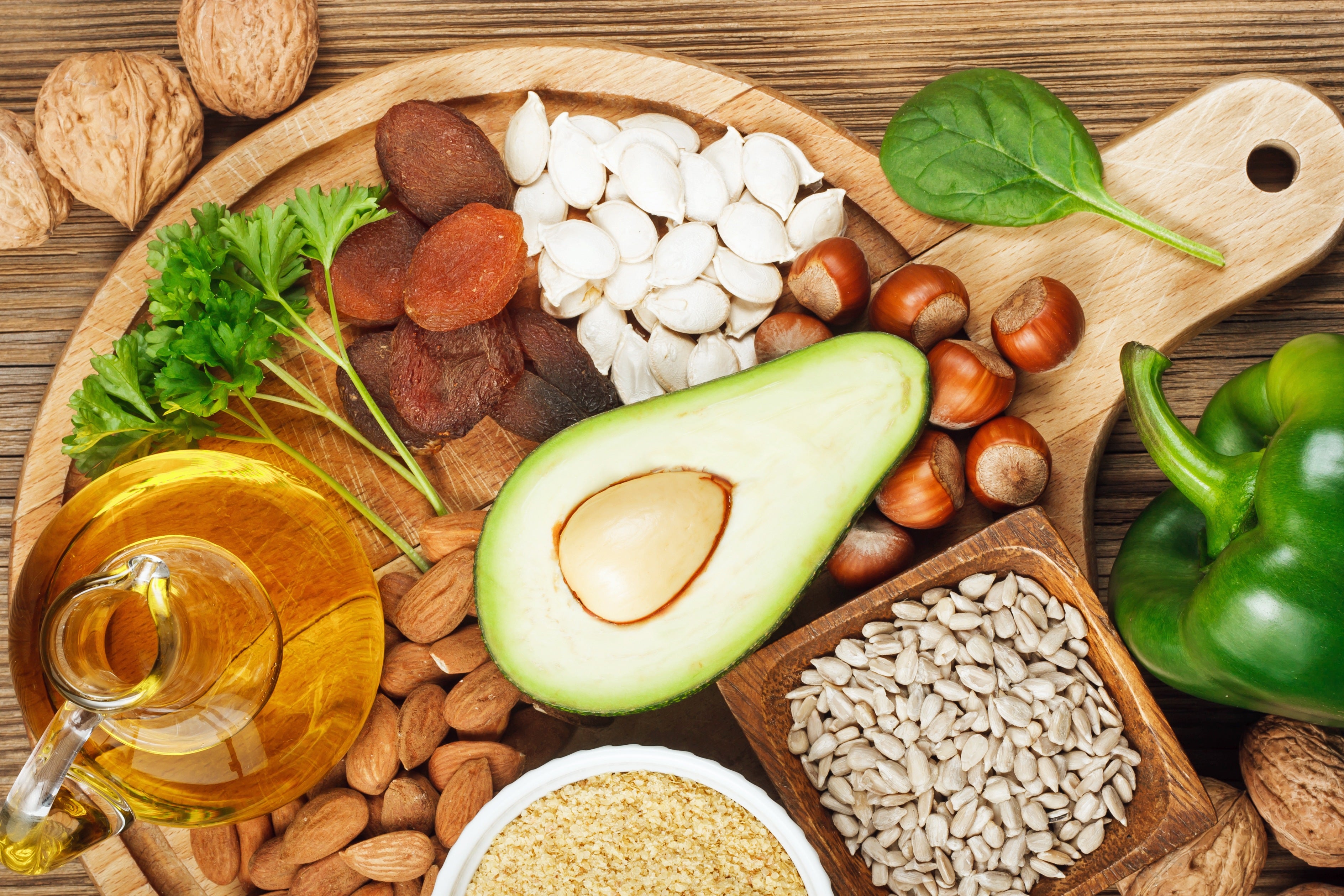
Improves skin hydration and cardiovascular health.
8. Omega-3 Fatty Acids: Brain and Joint Health
Not a vitamin but essential; reduces inflammation.
Symptoms: joint pain, dry eyes.
.jpg "Omega-3 Fatty Acids: Brain and Joint Health")
Dosage: 1,000-2,000 mg EPA/DHA.
Eases arthritis and supports memory.
9. Vitamin K: Bone and Blood Clotting Aid
Supports bone mineralization and coagulation.
Deficiency: easy bleeding.
Dosage: 90 mcg.

Enhances bone strength with calcium.
10. Iron: Energy Carrier (If Needed)
Post-menopause, needs drop, but some may need it.
Deficiency: fatigue.
Dosage: 8 mg, only if deficient.

Prevents anemia but avoid excess.
These nutrients form a powerhouse team for aging gracefully.
Best Multivitamin Supplements for Women Over 50 in 2026
Choosing a multivitamin tailored for women over 50 ensures iron-free formulas with higher B12, D, and calcium. Here are top picks based on 2025 reviews.
1- Thorne Women's Multi 50+: Comprehensive, doctor-recommended for bone and energy support. Pros: Bioavailable forms, no fillers. Cons: Pricey. Rating: 4.8/5.
Look for third-party testing (USP, NSF) for purity. Consult your doctor before starting.
Best Anti-Inflammatory Foods That May You Sleep Better Naturally
Food Sources to Boost Your Vitamin Intake Naturally
While supplements help, food is the best source. Here's a guide to nutrient-rich foods for women over 50.
- Vitamin D: Fatty fish like salmon (600 IU per serving), fortified milk, eggs.
- B12: Meat, fish, dairy, fortified cereals.
- Calcium: Yogurt, cheese, leafy greens like kale.
- Magnesium: Nuts, seeds, spinach, whole grains.
- Vitamin C: Citrus fruits, bell peppers, broccoli.
- Folate: Lentils, asparagus, avocados.
- Vitamin E: Almonds, sunflower seeds, olive oil.
- Omega-3s: Walnuts, flaxseeds, fatty fish.
- Vitamin K: Broccoli, Brussels sprouts.
- Iron: Beans, spinach, lean meats.
Aim for a rainbow plate: 50% veggies, 25% proteins, 25% grains. Recipes like salmon salads or Greek yogurt parfaits make it easy.
Women Home Workout Plan: Best Exercises for Weight Loss & Fitness at Home
How to Choose and Take Vitamins Safely?
Selecting vitamins: Opt for age-specific, iron-free multis with bioavailable forms. Check labels for DV percentages; avoid mega-doses unless prescribed.
Timing: Water-soluble (B, C) on empty stomach; fat-soluble (A, D, E, K) with meals. Morning for energy boosters, evening for relaxants like magnesium.
Safety: Start low, monitor for reactions. Interact with meds? B12 with antacids, vitamin K with blood thinners. Get bloodwork annually.
Natural vs. synthetic: Natural often better absorbed, but both work.
Potential Side Effects and Interactions
Vitamins are safe but overdoing can cause issues.
Excess vitamin A: Nausea;
Too much D: Kidney stones.
Side effects: GI upset from multis, constipation from calcium.
Interactions: Iron with tea reduces absorption; omega-3s thin blood. Always consult healthcare providers, especially with conditions.
15 Dangerous Habits Doctors Say You Must Avoid to Live Longer and Healthier
Sources of this Information
Here are the best, most credible sources for information on "Best Vitamins for Women Over 50 – Doctor-Approved Guide & Top Picks". These are prioritized based on authority (government health agencies, top medical institutions, evidence-based reviews), recency/relevance to 2026 trends, and focus on key concerns like bone health, energy, menopause support, and vitamin deficiencies (e.g., Vitamin D, B12, calcium).
I've grouped them for easy reference, with direct links and why each is highly reliable for your doctor-approved guide:
Top Government & National Health Authority Sources (Most Evidence-Based & Doctor-Referenced)
1. National Institute on Aging (NIA) – Vitamins and Minerals for Older Adultshttps://www.nia.nih.gov/health/vitamins-and-supplements/vitamins-and-minerals-older-adults Official U.S. government guidelines on essential vitamins/minerals for adults over 50, including increased needs for Vitamin B12, calcium (1,200 mg/day for women), and Vitamin D (15–20 mcg/day). Emphasizes bone health and absorption issues post-50.
Leading Medical Institutions & Expert Reviews (Doctor-Approved Insights)
4. Mayo Clinic (various resources, including special reports & drug/supplement info) https://www.mayoclinic.org/drugs-supplements (search for specific vitamins) or related Q&A on osteoporosis/supplements Covers Vitamin B12, D, calcium for aging women; stresses doctor consultation for deficiencies and menopause-related bone health.Reputable Health Sites with 2025–2026 Updates (Practical Top Picks & Reviews)
7. EatingWell – 5 Supplements Women over 50 Should Prioritize for Longevity https://www.eatingwell.com/best-supplements-for-women-over-50-11860488 Expert-recommended list (Vitamin D, magnesium, B-complex, creatine) for energy, bone strength, and vitality — updated for current trends.Calcium and Vitamin D3 Bone Support

Important Signs You may have Low Iron

Important Signs Your Body Needs More Vitamin D

Quick Tips for Your Guide
- Always cross-reference with a healthcare provider (as emphasized in NIA, Mayo, Harvard sources) — individual needs vary based on diet, location (e.g., low sun for Vitamin D), and health conditions.
- Core recurring recommendations across sources: Vitamin D (bone absorption/ energy), Calcium (1,200 mg/day post-50), Vitamin B12 (absorption drops with age/energy/nerves), plus emerging ones like magnesium/B-complex for menopause fatigue.
These sources provide the strongest foundation for accurate, viral, trustworthy content — cite them directly in your guide for maximum credibility and SEO value. If you need summaries from any specific page or visuals (e.g., infographics of nutrient sources), let me know!
FAQs About Vitamins for Women Over 50
1. What are the most important vitamins for a woman over 50 to take daily?
The essential daily vitamins for women over 50 include Vitamin D3, Vitamin B12, Calcium, Magnesium, Omega-3 fatty acids, and Vitamin K2. A high-quality iron-free multivitamin often covers baseline needs.
2. Why should women over 50 avoid multivitamins with high iron?
Postmenopausal women stop losing iron through monthly blood loss. Excessive iron can accumulate in organs, causing oxidative damage and digestive distress.
3. How much Vitamin D3 does a woman over 50 need each day?
Most health authorities recommend 1,000 to 2,000 IU of Vitamin D3 daily. Women with diagnosed deficiencies may require higher doses under doctor supervision.
4. Why is Vitamin B12 so important after menopause?
As stomach acid decreases with age, absorbing B12 from food becomes difficult. B12 deficiency leads to severe fatigue, weakness, numbness in hands or feet, and memory issues.
5. What is the difference between Calcium Citrate and Calcium Carbonate?
Calcium Citrate is absorbed well with or without food and is easier on aging digestive systems, whereas Calcium Carbonate requires stomach acid to dissolve and must be taken with meals.
6. Can taking vitamins help with hot flashes and night sweats?
While vitamins aren't a direct cure for hot flashes, nutrients like Vitamin E, B-complex vitamins, and Magnesium help regulate nervous system balance and lessen symptom intensity.
7. Should women over 50 take Vitamin D with Vitamin K2?
Yes. Vitamin D aids in absorbing calcium, while Vitamin K2 directs that calcium into bones and teeth instead of letting it calcify in blood vessels and arteries.
8. How can I boost my energy levels naturally after 50?
Ensure adequate intake of B-complex vitamins (especially B12), Magnesium, CoQ10, and Omega-3s alongside regular walking, balanced meals, and proper hydration.
9. What form of Magnesium is best for sleep and anxiety after 50?
Magnesium Glycinate is widely regarded as the best form for promoting relaxation, supporting sleep quality, and calming the nervous system without causing diarrhea.
10. Are collagen supplements effective for women over 50?
Yes. Hydroloaded collagen peptides provide amino acids that support skin hydrations, reduce fine lines, and support joint cartilage during age-related breakdown.
11. Is it better to take vitamins in the morning or at night?
B vitamins and Vitamin D should be taken in the morning or early afternoon as they boost energy. Magnesium and calcium are best taken in the evening to promote muscle relaxation and sleep.
12. Should I choose gummies or traditional pills/capsules?
Capsules and tablets typically deliver higher, more precise potencies with zero added sugars. Gummies taste great but often contain added sugar and lower doses of essential minerals.
13. What vitamins help prevent bone loss and osteoporosis?
A combination of Calcium, Vitamin D3, Vitamin K2, Magnesium, and Collagen works synergistically to preserve bone mineral density.
14. Can supplements help reduce brain fog associated with menopause?
Omega-3 fatty acids (DHA), Vitamin B12, Phosphatidylserine, and CoQ10 are well-researched nutrients that support brain health, memory recall, and mental focus.
15. Do I still need supplements if I eat a healthy, balanced diet?
Even with a healthy diet, age-related decline in digestion, soil depletion, and reduced sun exposure make targeted supplementation beneficial for most women over 50.
16. What is the best vitamin for hair thinning in women over 50?
Biotin (B7), Vitamin C (for collagen synthesis), Vitamin D, Zinc, and Saw Palmetto are frequently recommended to address age-related hormonal hair loss.
17. How long does it take to feel results from taking vitamins?
Water-soluble B vitamins may improve energy within a few days to weeks. Fat-soluble vitamins (D, E, A, K) and minerals like Calcium and Magnesium take 2 to 3 months of consistent use to show noticeable benefits in blood tests and symptoms.
18. What supplements help with joint pain in mature women?
Omega-3 fish oil, Curcumin (Turmeric), Collagen peptides, Glucosamine, and Chondroitin help lower joint inflammation and ease stiffness.
19. How do I know if my vitamins are high quality?
Look for products verified by third-party organizations like USP, NSF, or ConsumerLab. Avoid synthetic fillers, excessive sugar, artificial dyes, and unverified proprietary blends.
20. Can taking too many vitamins be harmful?
Yes. Overdosing on fat-soluble vitamins (A, D, E, K) or excessive minerals like calcium can cause toxicity or organ stress. Always consult a healthcare professional before starting new supplements.
Conclusion
Navigating health and vitality after 50 doesn't have to be overwhelming. By prioritizing core nutrients like Vitamin D3, Vitamin B12, Calcium, Magnesium, and Omega-3s, women can proactively protect their bone density, protect their hearts, sharpen mental clarity, and maintain active energy levels throughout their postmenopausal years. Always choose bioavailable, third-party tested formulations tailored for women over 50 to get the most safety and efficacy out of your daily routine.
Follow us @
Pinterest,
LinkedIn, Facebook,
Telegram,
Instagram, Facebook Page
Disclaimer
Medical & Health Disclaimer:
The information provided in this article is for educational and informational purposes only and should not be construed as medical advice. It is not intended to diagnose, treat, cure, or prevent any medical condition or disease. Always consult with a qualified healthcare provider, physician, or registered dietitian before starting any new vitamin, mineral, or dietary supplement routine, particularly if you have underlying medical conditions, are taking prescription medications, or are preparing for medical procedures.

We welcome your comments and feedback. Feel free to share this article on Pinterest, Facebook, Instagram, LinkedIn, and Twitter to support our blog and help others discover healthy lifestyle and fashion tips.