


Discover the perfect 10-step science-backed morning routine to wake up energized, happy, healthy, and super productive. Build lasting habits with hydration, sunlight, movement & more – start transforming your days today!
Discover the Perfect Morning Routine: 10 Simple, Science-Backed Steps to Wake Up Happy, Healthy, Energized, and Ready to Conquer Your Day
Do you wake up feeling groggy, rushed, or already stressed before the day even begins? You're not alone. Millions of people start their mornings on autopilot—hitting snooze, scrolling on phones, skipping breakfast, and rushing out the door. But what if you could flip the script? Imagine starting each day with calm energy, sharp focus, genuine happiness, and unstoppable productivity.
The secret lies in a well-designed morning routine built on science, not hype. Research from neuroscientists like Andrew Huberman and studies on circadian rhythms, hormones, and positive psychology show that intentional morning habits regulate cortisol (your stress hormone), boost serotonin and dopamine (feel-good chemicals), strengthen your immune system, improve sleep quality, and set a positive tone for hours ahead.
This expanded guide dives deep into 10 proven steps—in logical sequence—for a transformative routine. We'll explore the science, real-world benefits, practical tips, common mistakes, and customization ideas. Aim for consistency over perfection. Even starting with 2–3 steps can create lasting change. Let's rebuild your mornings and, ultimately, your life.
Why Morning Routines Matter: The Science Foundation?
Your body runs on a 24-hour internal clock called the circadian rhythm. Every cell has its own clock, influencing sleep, metabolism, hormones, mood, and energy.
- Cortisol peaks naturally shortly after waking to promote alertness. A chaotic morning (loud alarms, immediate screen time) causes erratic spikes, leading to anxiety and crashes later.
- Morning light exposure suppresses melatonin (sleep hormone) and anchors your rhythm, improving nighttime sleep and daytime energy.
- Physical movement releases endorphins and increases brain-derived neurotrophic factor (BDNF) for better focus and mood.
- Mindfulness practices like gratitude reduce amygdala activity (stress center) while enhancing prefrontal cortex function (decision-making).
- Hydration and nutrition prevent dehydration fog and blood sugar swings that sap energy.
Studies show people with consistent routines report higher life satisfaction, lower depression risk, better immune function, and even longer lifespans. Andrew Huberman emphasizes: Morning protocols align your biology for peak performance—delaying caffeine, getting sunlight, and moving early amplify focus for hours.
Now, the 10-step sequence—designed to flow naturally from bed to breakfast and planning.
Step 1: Wake Up Gently – Ditch the Jarring Alarm and Build Sleep Hygiene
The routine starts the night before. Aim for 7–9 hours of quality sleep by keeping a consistent bedtime and wake time—even on weekends. This stabilizes your circadian rhythm and prevents "social jet lag."
Use a sunrise simulation alarm (gradual light over 20–30 minutes) or gentle nature sounds instead of harsh buzzers. These mimic natural dawn, reducing cortisol shock and sleep inertia (that groggy fog from interrupted REM cycles).
Avoid snoozing—it fragments sleep, worsening grogginess. Place your alarm across the room to force movement.
Pro Tip: Track sleep with an app for 1–2 weeks. Adjust bedtime if you're consistently tired. Benefits include sharper cognition, better mood regulation, and reduced accident risk.
Step 2: Hydrate Immediately – Water First, Coffee Later
Overnight, you lose water through breathing and sweat—leading to mild dehydration that impairs focus, mood, and metabolism by 2–3%.
Drink 16–20 oz (500–600 ml) of room-temperature water right away. Add fresh lemon for vitamin C (antioxidant boost) and flavor. This rehydrates cells, kickstarts digestion, flushes toxins, and increases alertness.
Delay coffee 60–90 minutes after waking. Caffeine blocks adenosine (sleep pressure) but interferes with natural cortisol if taken too early—causing tolerance and afternoon crashes.
Science Note: Hydration improves cognitive performance by up to 14% in studies. Make it a ritual: Keep a glass by your bed.
Step 3: Get Bright Morning Light – The Most Powerful Reset
Within 30–60 minutes of waking, get natural sunlight for 5–30 minutes (longer if cloudy). Open curtains, step outside, or walk—avoid sunglasses initially.
This suppresses melatonin, triggers a healthy cortisol rise, boosts serotonin, and sets your circadian anchor. Huberman calls it "the single best tool" for energy, mood, and sleep.
Benefits: Better focus, reduced seasonal affective symptoms, improved metabolism. Indoor light (even bright bulbs) helps, but sunlight is 10–100x stronger.
Real-World Tip: Combine with hydration—sip water outside. In winter or rainy climates, use a 10,000-lux light therapy lamp.
Step 4: Move Your Body Gently – Activate Without Exhaustion
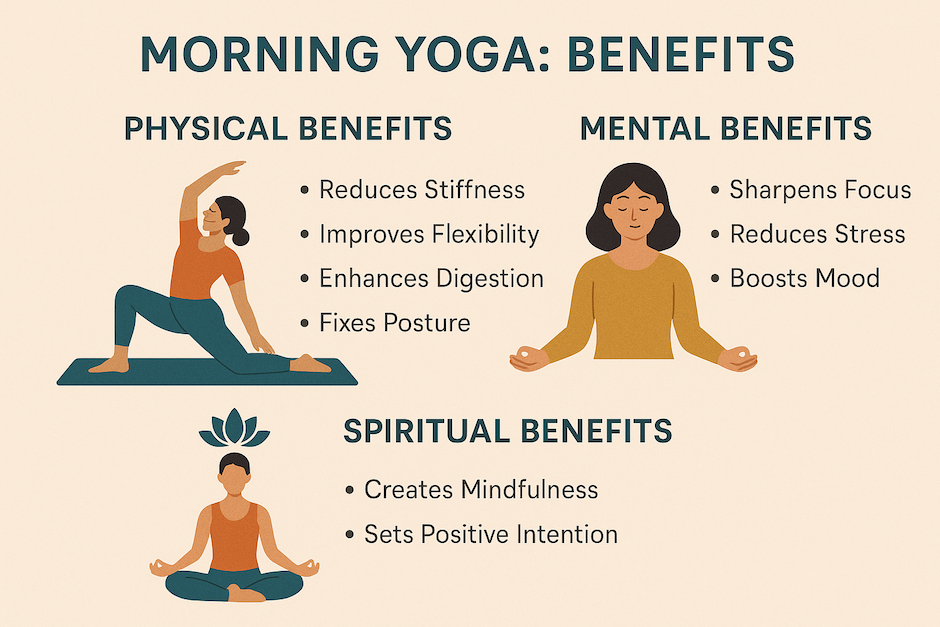
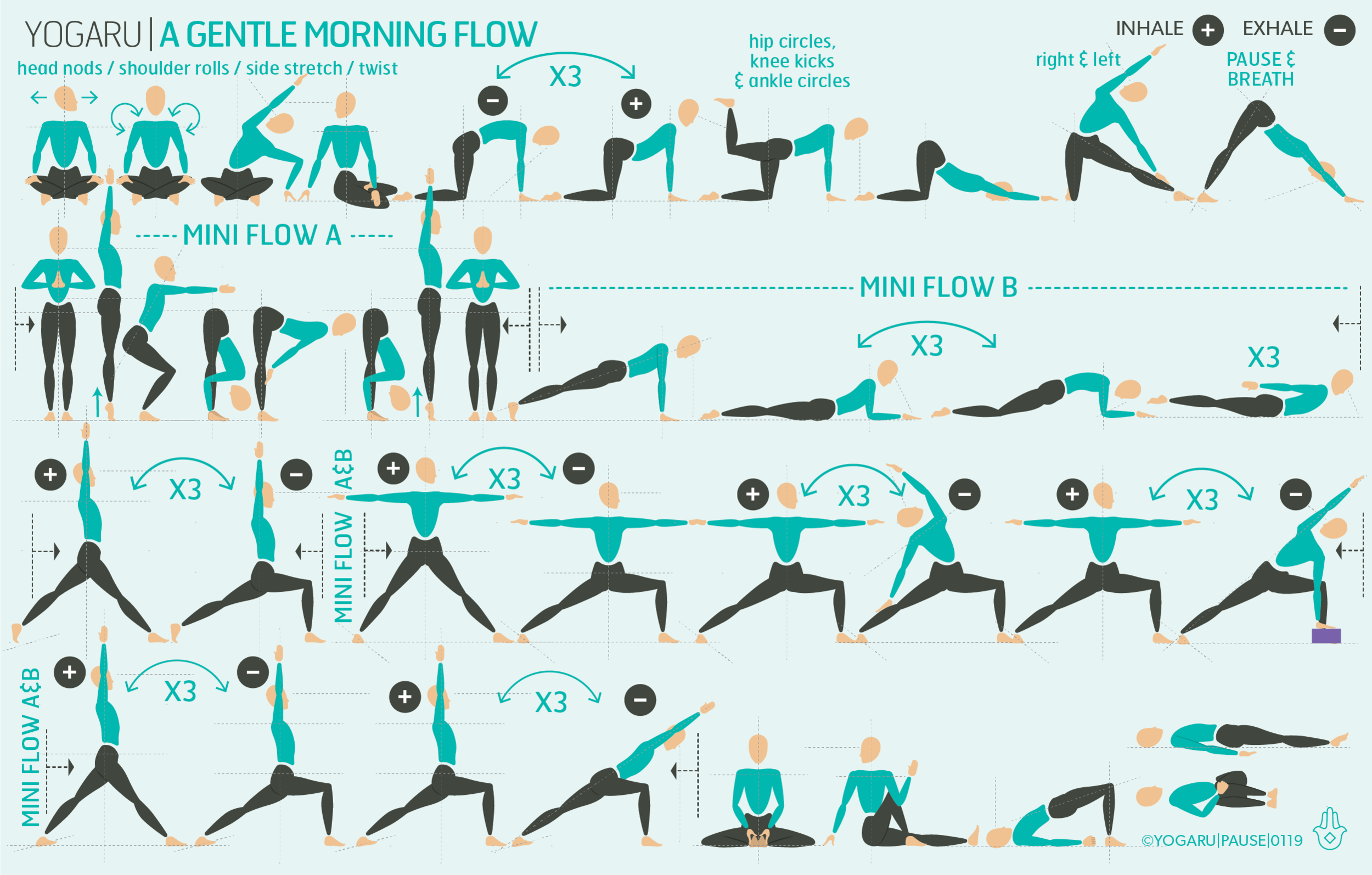
Do 5–20 minutes of light movement: stretching, yoga flows (sun salutations), brisk walking, or bodyweight exercises.
Movement increases blood flow, oxygen to the brain, and endorphins. It raises core temperature for alertness and releases dopamine/norepinephrine for motivation.
No gym needed—gentle is key to avoid cortisol overload. Huberman recommends early exercise to amplify focus all day.
Variations: Cat-cow stretches for spine health, jumping jacks for quick cardio, or dance to music for fun. Consistency builds habit strength.
Step 5: Cultivate Mindfulness – Gratitude, Meditation, or Breathing
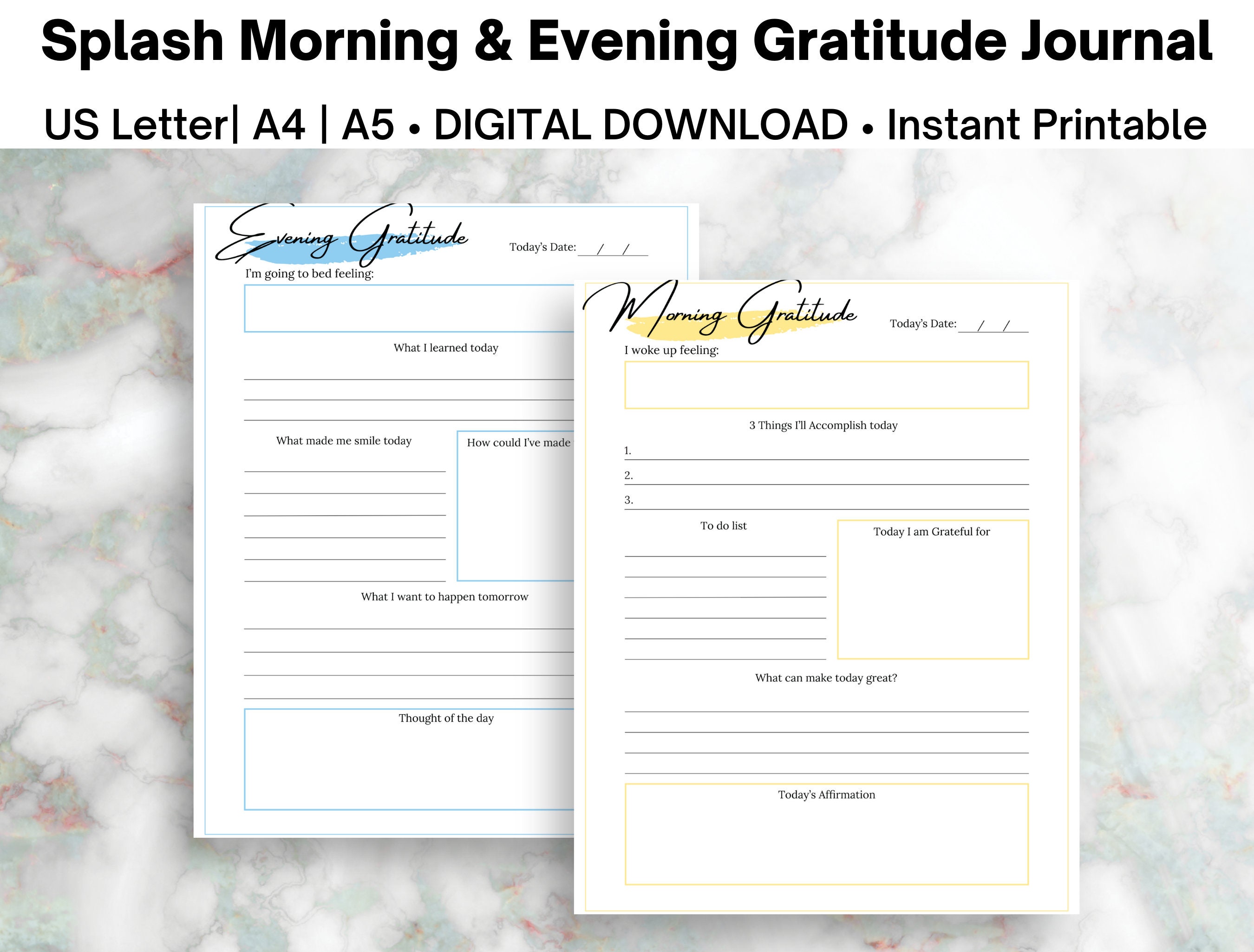
Spend 3–10 minutes on reflection. Write 3–5 things you're grateful for in a journal, meditate (guided apps like Calm), or practice box breathing (4-4-4-4).
Gratitude shifts focus from lack to abundance, lowering cortisol and boosting dopamine/ serotonin. Meta-analyses show it reduces anxiety/depression symptoms by 7–8%, improves sleep, heart health, and even longevity (9% lower mortality risk in large studies).
Why Morning? It primes positivity before stressors hit. Start simple: "I'm thankful for my health, family, and this new day."
Step 6: Invigorate with a Shower – Warm, Cold, or Contrast
A shower isn't just hygiene—it's therapy. Start warm to relax muscles, then try contrast: 30–60 seconds hot, 30 seconds cold, repeat 3–5 times, end cold.
Cold exposure spikes dopamine (up to 250% in studies), epinephrine for energy/focus, reduces inflammation, boosts immunity (higher IL-2/IL-4), and builds resilience.
Benefits: Enhanced mood, circulation, alertness. Start gradual if new—10 seconds cold. Nordic traditions and Huberman endorse it for mental toughness.
Step 7: Fuel Smartly – A Balanced, Mindful Breakfast
Eat within 1–2 hours of waking: Protein + healthy fats + complex carbs + fiber/veggies/fruits.
Examples for sustained energy:
- Greek yogurt with berries, nuts, chia seeds (protein + antioxidants).
- Oatmeal with banana, almond butter, cinnamon (slow-release carbs).
- Eggs with avocado, spinach, whole-grain toast (fats + protein).
- Green smoothie: Spinach, banana, protein powder, flaxseeds.
Mindful eating—no screens—improves digestion and satisfaction. This prevents blood sugar spikes/crashes, sustains focus/productivity.
Science: Balanced meals stabilize glucose, enhancing cognitive function for hours.
Step 8: Plan Intentionally – Prioritize Before Distractions
Review goals: Pick 1–3 high-impact tasks (MITs—most important tasks). Use time blocking or a simple list.
Avoid phone/email/social media first—screens hijack dopamine and increase decision fatigue.
Benefits: Clear priorities build momentum, reduce overwhelm. Studies show morning planning boosts productivity 25–50%.
Step 9: Build Habits Gradually – Consistency Over Perfection
Don't overhaul everything. Start with 1–2 steps (e.g., light + hydration). Habit-stack: Water after alarm, light during walk.
Track progress in a journal. Be flexible—travel or sick days? Scale back, don't quit.
Key: Consistency rewires neural pathways. After 2–4 weeks, new habits feel automatic.
Step 10: Reflect, Adjust, and Own Your Routine
End with quick reflection: What felt good? What to tweak? Listen to your body—some prefer 10-minute meditation over cold showers.
Your "why" (more joy, less stress, career success) fuels motivation. Revisit monthly.
The Ultimate 10-Step Science-Backed Morning Routine for Success
Many people wake up feeling tired, rushed, or stressed. A good morning routine changes that. Science shows consistent habits regulate your body's clock (circadian rhythm), balance hormones like cortisol, and release feel-good chemicals like serotonin and dopamine. This leads to better focus, mood, sleep, and overall well-being.
Here are the more 10 steps in order for a smooth, effective start:
Step 1: Wake Up Gently – Skip the Harsh Alarm
Get 7-9 hours of sleep and wake at the same time daily. Use a sunrise alarm clock or soft sounds instead of loud buzzers. Avoid snoozing—it causes grogginess (sleep inertia). This helps your body wake naturally and keeps your circadian rhythm steady.


Step 2: Hydrate First – Drink Water Before Coffee
Drink 16-20 ounces (about 500 ml) of water right after waking. Add lemon for vitamin C and a fresh taste. Your body gets dehydrated overnight, so this rehydrates you, boosts metabolism, aids digestion, and sharpens your mind. Wait 90 minutes for coffee to avoid messing with natural cortisol peaks.


Step 3: Get Morning Light – Embrace Sunshine
Open curtains or step outside for 5-10 minutes (longer on cloudy days). Morning sunlight suppresses melatonin (sleep hormone), boosts serotonin, and triggers a healthy cortisol spike for alertness. Experts like Andrew Huberman say this sets your circadian rhythm, improves energy, mood, and night sleep.


Step 4: Move Gently – Stretch or Light Exercise
Do 5-10 minutes of stretching, yoga, or a brisk walk. This increases blood flow, releases endorphins, reduces stiffness, and wakes your body. No need for intense workouts—gentle movement boosts energy and brain function.
Step 5: Practice Mindfulness – Gratitude or Meditation
Spend 2-5 minutes journaling 3 things you're grateful for or meditating. This lowers stress (cortisol), improves focus, and builds positivity. Simple breathing exercises calm your mind quickly.
Step 6: Refresh with a Shower – Try Contrast for Extra Boost
Take a warm shower, or alternate hot and cold (30 seconds each, end on cold). This improves circulation, alertness, mood, and resilience. Cold exposure gives a quick energy lift.
:max_bytes(150000):strip_icc()/VWH_Illustration_Contrast-Therapy-in-Physical-Therapy_Danie-Drankwalter_Final-e0dfdcae3d364ff3a5cd87c889684b82.jpg)

Step 7: Eat a Balanced Breakfast – Fuel Mindfully
Choose protein, healthy fats, and complex carbs—like oatmeal with fruits and nuts, Greek yogurt with berries, or eggs with avocado. Eat without distractions to enjoy and digest better. This sustains energy and focus.

:max_bytes(150000):strip_icc()/ewl-251317-oatmeal-with-fruit-nuts-4000x2700-1661582aac034fa1ab3f1c1442b8b4d7.jpg)
Step 8: Plan Your Day – Set Priorities
Review your top 1-3 tasks. Use time blocking if possible. Avoid phone or email first—give your brain clear focus before distractions.


Step 9: Add Consistency – Start Small and Build
Don't do all steps at once. Pick 1-2, make them habits, then add more. Stay flexible—life changes happen. A consistent wake time and bedtime make everything easier.
Step 10: Reflect and Adjust – Make It Yours
Listen to your body. Tweak what doesn't work. Your "why" (more energy, less stress, joy) keeps you motivated.
Your mornings shape your whole day. These science-backed habits reduce stress, boost health, and increase productivity and happiness. Start with one change today—one sunrise at a time—and watch your life improve!
Which step will you try first? Share in the comments!
Atomic Habits by James Clear: The Ultimate Guide to Tiny Changes and Remarkable Results

Amazon Product Description
Affiliate Disclaimer: As an Amazon Associate, I earn from qualifying purchases.
Final Thoughts: Your Mornings Shape Your Life
These 10 steps—gentle wake, hydrate, light, move, mindfulness, shower, breakfast, plan, consistency, reflect—create a powerful chain reaction. Backed by neuroscience, psychology, and physiology, they reduce stress, boost health markers, enhance productivity, and cultivate lasting joy.
Start small today. Pick one step. In weeks, you'll feel the difference—more energy, clearer mind, happier days. Your perfect morning isn't rigid; it's yours.
Which step excites you most? Try it tomorrow and build from there—one sunrise at a time.
Follow us @
#Pinterest, #LinkedIn, #FcBk, #X, #FBPage, #Tele, #GovJob, #Awareness, #Information, #HealthiFashion, #OldPapers, #Insta

We welcome your comments and feedback. Feel free to share this article on Pinterest, Facebook, Instagram, LinkedIn, and Twitter to support our blog and help others discover healthy lifestyle and fashion tips.