

Last Update On: 25 June 2026

Welcome to Mastering the Art of the
Sarong: A Complete Guide to Tying and Styling. Whether you are heading to a
tropical resort or looking to elevate your summer wardrobe, knowing how to wrap
this versatile piece is a game-changer.
Skimping on Fruit & Veggies Right Now? Me Too. Here's Why It's
Okay
A sarong is more than just a beach cover-up — it is a timeless fashion piece that can transform your look in seconds. From elegant wraps to trendy summer styles, learn the easiest ways to tie and wear a sarong perfectly for vacations, beaches, and casual outings. Discover creative styling ideas that make your outfit comfortable, fashionable, and effortlessly beautiful.
How to Tie and Wear a Sarong: Style Tips for Every Occasion?
The sarong is a versatile piece of clothing that has been a staple in many cultures, especially in tropical regions. Whether you’re heading to the beach, lounging by the pool, or attending a casual gathering, learning how to tie and wear a sarong can elevate your style while keeping you comfortable. In this guide, we’ll explore the different ways to wear a sarong, how to tie it, and tips for choosing the perfect fabric.
Key Topics
"Mastering the Art of the Sarong: A Complete Guide to Tying and Styling"
"How to Tie and Wear a Sarong: Style Tips for Every Occasion"
"Sarong Styles: Your Ultimate Guide to Tying and Wearing with Confidence"
"From Beach to Street: How to Tie and Wear a Sarong in Style"
"Wrap It Up: A Step-by-Step Guide to Tying and Wearing a Sarong"
What is a Sarong?
A sarong is a large piece of cloth that is wrapped around the body, traditionally worn in many Southeast Asian and Pacific Island cultures. Sarongs come in various fabrics, colors, and patterns, making them a fashionable choice for any occasion. They can be used as skirts, dresses, or even beach cover-ups.
Stop Hiccups Fast: Causes, Effective Home Remedies & Prevention Tips
Choosing the Right Sarong
When selecting a sarong, consider the following factors:
1. Fabric
- Cotton: Breathable and comfortable, ideal for hot weather.
- Silk: Luxurious and elegant, perfect for special occasions.
- Polyester: Quick-drying, great for beach outings.
2. Size
A standard sarong is usually around 60 inches wide and 40 inches long. Depending on how you plan to wear it, you might want a larger size for more coverage or versatility.
3. Patterns and Colors
Choose a pattern or color that reflects your personal style. Bright colors and tropical prints are perfect for summer, while darker shades may be better for evening events.
How does Fashion Empower Body Positivity and Boost Self-Confidence?
From Beach to Street: How to Tie and Wear a Sarong in Style
1. The Basic Wrap Skirt
This is one of the simplest ways to wear a sarong.
Instructions:
1. Start with the sarong: Hold the sarong horizontally behind you, with one end in each hand.
2. Wrap it around: Bring the ends to the front of your body and tie them in a knot at your waist.
3. Adjust the length: Tuck any excess fabric to ensure it fits comfortably.
2. The Halter Dress
Perfect for a beach day or a casual evening out.
Instructions:
1. Hold the sarong vertically: Position it so that the top half hangs down your back.
2. Wrap it around: Bring the two ends around your neck and tie them together at the back.
3. Secure the bottom: Adjust the bottom of the sarong to your desired length.
3. The Sarong as a Beach Cover-Up
A great way to protect yourself from the sun while adding style.
Instructions:
1. Drape the sarong: Place it over your shoulders, letting it hang down in front.
2. Tie it at the waist: Bring the ends around to your back and tie them in a loose knot or bow.
3. Adjust for comfort: Ensure the fabric is secure but not too tight.
4. The Sarong Scarf
For a chic and sophisticated look.
Instructions:
1. Fold the sarong: Fold it into a triangle.
2. Drape it around your neck: Position the folded edge at your neck, letting the ends hang down.
3. Secure it: Tie the ends in a loose knot or tuck them in for a cleaner look.
Tips for Wearing a Sarong
- Accessorize: Add a belt or statement jewelry to elevate your outfit.
- Layering: Consider wearing a swimsuit underneath for a beach outing or a tank top for a more casual look.
- Experiment: Don’t be afraid to try different tying methods and styles until you find what works best for you.
2026 Fashion Trends: How to Style Bold Animal Prints and Vibrant Hues Like a Pro
A Step-by-Step Guide to Tying and Wearing a Sarong
Tip: List out the exact materials needed (e.g., lightweight linen, chiffon,
or silk scarfs) and quick troubleshooting tips (how to keep it from slipping).
Sarong Styles: Your Ultimate Guide to Tying and Wearing with Confidence
How to tie and style your sarong / pareo in 3 different ways?
3 super easy, super stylish ways to tie a sarong
In handy GIF form!
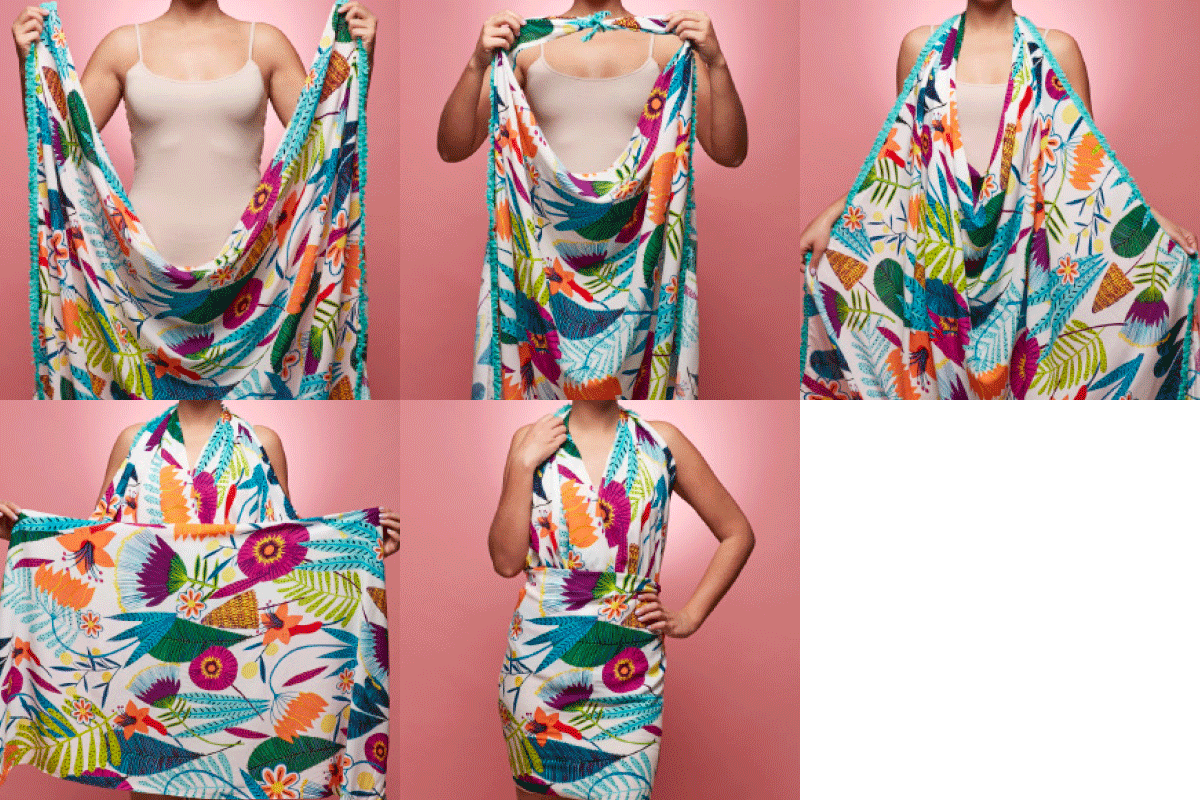
1- The halter
Hold the sarong by a short edge and tie the top corners behind your neck. Grab the outer edges at your hips, fold fabric up to waist and pull edges around behind you, securing in a knot at your lower back. Use a large sarong so there’s no gaping at the back.
2- The twist
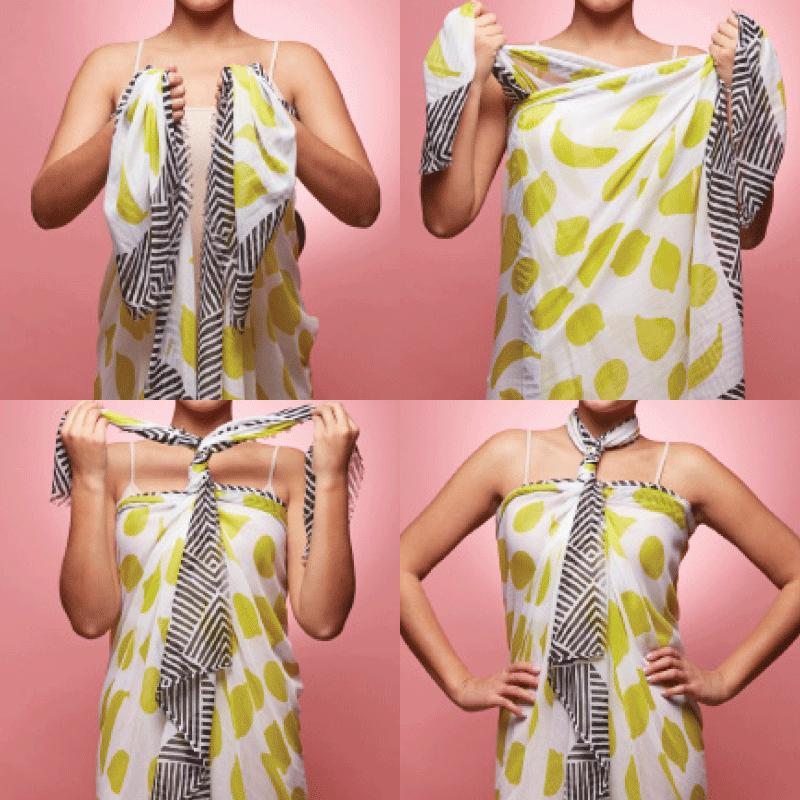
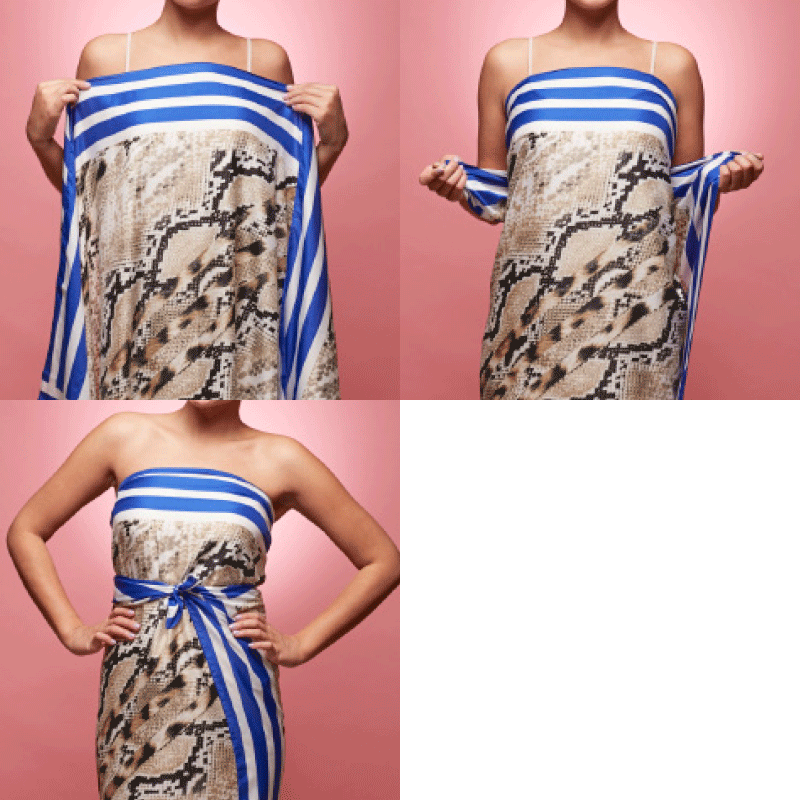
3- The strapless
Hold the sarong by a long edge in front of you. Pull the top corners under your arms and cross in the back, then bring corners to the front again, securing in a snug knot just about your waist.
Frequently Asked Questions (FAQs)
1. What is a
sarong, and why is it a summer wardrobe essential?
A sarong is a versatile, large piece of fabric—typically made from
lightweight materials like cotton, chiffon, rayon, or silk—that is wrapped
around the body. It originates from traditional clothing styles in Southeast
Asia, East Africa, and the Pacific Islands. Today, it is a global summer
essential because it can instantly transform from a beach swimsuit cover-up
into a skirt, dress, or elegant shawl. Its ability to save luggage space while
offering endless styling options makes it a must-have for vacation wear.
2. How do you tie a
sarong so that it doesn't fall off?
The secret to keeping a sarong secure is a proper double-knot.
Gather the two ends of the fabric tightly at your hip or waist, pull them taut
against your body, and tie a firm square knot (left over right, then right over
left). For silky fabrics like satin or polyester that naturally slip, loop the
ends through a dedicated sarong buckle or coconut shell slider before tying.
Alternatively, you can use a small, hidden safety pin on the inside layer for
extra security.
3. What is the
difference between a pareo and a sarong?
While "pareo" and "sarong" are often used
interchangeably in modern beachwear fashion, they have distinct cultural roots.
A pareo (or Pāreu) specifically originates from Tahiti and French Polynesia,
traditionally featuring vibrant floral, botanical, or traditional Polynesian
prints. A sarong originates from the Malay Archipelago and historically
features batik patterns. In contemporary fashion, both refer to versatile
wrap-around cover-ups, though pareos are frequently lighter and smaller.
4. How can I wear a
sarong as a dress for an evening out?
To style a sarong into an elegant resort evening dress, follow the
halter-neck method shown in step 3 of watermarked_img_15019855948331461664.png. Hold the sarong horizontally behind your back, bring the two top
corners forward under your arms, cross them over your chest, and tie them
securely behind your neck. To elevate this look from beachwear to evening wear,
choose a high-quality fabric like silk or satin, add a statement belt around
the waist, and pair it with strappy heeled sandals and bold jewelry.
5. Can you style a
sarong into a cardigan or kimono jacket?
Yes, turning a sarong into a lightweight kimono or cape is
incredibly easy and perfect for protecting your shoulders from the sun. Take
the two top corners of your sarong and tie them together in a small, tight
knot. Do the exact same thing with the two bottom corners. This creates two
distinct loops or armholes on either side. Slip your arms through these loops,
and you instantly have a flowing, long cardigan jacket that pairs beautifully
over a basic white swimsuit or a tank top.
6. How do I choose
the right sarong size for my body type?
Sarongs generally come in standard or plus sizes. A standard
sarong is usually around 66 inches by 44 inches, which works beautifully for
sizes XS to L for full-body dress wraps. If you want more draping material,
dramatic ties, or are styling for midsize to plus-size bodies, look for a
plus-size or XL sarong (typically 80+ inches in length). If you only intend to
wear it as a short hip skirt, a mini sarong or a folded square scarf is your
best option.
7. What are the
best fabrics to look for when buying a sarong?
For the ultimate combination of breathability, drape, and
fast-drying capabilities, look for rayon or viscose. Rayon
mimics the softness of silk but is highly absorbent and cools the skin down in
hot weather. Cotton voile is another excellent choice for a crisp,
breathable, and natural look. If you prefer a sheer, glamorous aesthetic that
resists wrinkling in your suitcase, choose chiffon or lightweight mesh.
8. How do I
transition a sarong from beachwear to street fashion?
The easiest way to style a sarong for the street is by wearing it as
a midi or maxi wrap skirt. Pair a neutral or patterned sarong with structured
street clothing to balance the casual fabric. For example, tuck a fitted white
bodysuit or crop top into your wrapped sarong skirt, throw on a distressed
denim jacket, and finish the look with leather slides or clean white sneakers.
This balances the breezy beach vibe with urban structure.
9. Are sarongs
suitable for men, and how do men style them?
Absolutely! Sarongs have been a staple of men's traditional and
casual fashion across various cultures for centuries, often referred to as a
lungi, dhoti, or lava-lava. For modern beachwear, men can style a sarong by
folding it in half lengthwise to create a shorter length, wrapping it flat
across the waist, and securing it with a tight roll at the top waistband rather
than a bulky knot. It offers an incredibly comfortable, breathable alternative
to traditional swim shorts.
10. How should I
wash and care for my sarong to keep the colors bright?
Because sarongs are often exposed to saltwater, chlorine, and
sunscreen, proper care is crucial. Always rinse your sarong in cold water
immediately after a beach or pool day. Hand washing with a gentle detergent is
highly recommended, especially for rayon, silk, or heavily dyed batik fabrics.
Hang it to air dry in the shade; avoid direct, harsh sunlight and hot clothes
dryers, as excessive heat will fade bright tropical colors and shrink natural
fibers.
How can Fashion and
Health Work Together to Boost Your Wellness in 2026?
Conclusion
Mastering the art of the sarong is the ultimate shortcut to a
chic, minimal summer wardrobe. As we’ve explored in this guide, this single
piece of fabric can effortlessly adapt to your lifestyle—transforming from a
laid-back beach wrap to an elegant evening halter dress with just a few clever
knots. By choosing the right fabrics, securing your ties with confidence, and
experimenting with transitions from beach to street, you unlock endless outfit
potential without overpacking your suitcase.
Ready to put these styling tips to the test? Grab your favorite
wrap, practice the steps outlined above, and step out in style this season. For
more daily fashion inspiration, trend breakdowns, and summer lookbooks, make
sure to bookmark
Government Jobs in India for Foreigners | Eligibility, Visa Rules & Apply Online Guide
Disclaimer
General Fashion & Lifestyle Disclaimer: The styling tips,
fabric suggestions, and wardrobe advice provided in this article are for
informational and entertainment purposes only. Fashion is subjective, and what
works for one body type, climate, or comfort level may vary for another.

We welcome your comments and feedback. Feel free to share this article on Pinterest, Facebook, Instagram, LinkedIn, and Twitter to support our blog and help others discover healthy lifestyle and fashion tips.