

Last Update On: 23 June 2026

Your immune system works every day to protect your body, but your daily food choices can strongly influence how well it functions. Many common foods that are high in added sugar, unhealthy fats, excess salt, and artificial ingredients may contribute to inflammation and negatively affect overall immune health when consumed regularly. In this guide, we explore the worst foods for your immune system according to dietitian insights and discover healthier alternatives that can help support a stronger, more balanced immune response.
Best Anti-Inflammatory
Foods for Deep, Restful Sleep
7 Worst Foods Sabotaging Your Immune System Right Now – Dietitian-Recommended Foods to Avoid in 2026
In 2026, emerging viral variants, high stress from work-life demands, environmental factors, and seasonal shifts keep immunity front-of-mind. Yet many people unknowingly weaken their defenses daily through common foods. As a registered dietitian with years helping clients overcome recurrent colds, fatigue, and slow recovery, I see diet as one of the most controllable factors for immune resilience.
Your immune system is a sophisticated network: innate defenses (like neutrophils and macrophages) handle immediate threats, while adaptive responses (antibodies, T-cells, B-cells) provide long-term protection. The gut microbiome—housing about 70% of immune cells—plays a central role. Harvard T.H. Chan School of Public Health research and 2025 Nutrients reviews show chronic inflammation from poor diet impairs this system, reducing cell function, increasing oxidative stress, and disrupting microbiome balance.
Ultra-processed foods, added sugars, and inflammatory fats dominate global diets, displacing key nutrients like vitamins C, D, A, E, zinc, selenium, and fiber. This guide details the 7 worst foods for your immune system based on dietitian consensus (EatingWell 2025, Cleveland Clinic experts, GoodRx, Healthline updates). For each: harm mechanisms, evidence, myths debunked, and practical swaps. Clients often see fewer sick days and more energy in 4–8 weeks by prioritizing whole foods.
Let's expose these saboteurs and rebuild stronger immunity.
Why Diet Is Crucial for Immunity in 2026
Post-pandemic focus on health hasn't stopped ultra-processed food sales from rising globally. A 2025 British Medical Journal study tied such diets to 10–15% higher infection risk and delayed recovery. Nutrient shortfalls (e.g., vitamin D from indoor lifestyles, zinc from depleted soils) worsen vulnerability. The upside: consistent whole-food swaps reduce inflammation, fortify the gut barrier, enhance antibody production, and support cellular repair. Small changes compound into major protection.
1. Sugary Drinks and Added-Sugar Foods
Added sugars top the list. Sodas, energy drinks, sweetened coffees, fruit juices, candies, cereals, yogurts, and sauces hide excessive amounts.

Mechanism: Rapid glucose spikes suppress neutrophils for up to 5 hours (American Journal of Clinical Nutrition). They drive pro-inflammatory cytokines, cause dysbiosis (harmful bacteria overgrowth), and foster insulin resistance—weakening adaptive immunity. Average global intake exceeds AHA limits (6–9 tsp/day).
Evidence & Impact: Frequent consumers show 2–3x higher respiratory infection risk. Myth: "Natural" sugars (honey, agave, maple) in excess cause similar harm without fiber protection.
Swaps & Tips:
- Plain or infused water (lemon-cucumber, berry-mint—vitamin C boost).
- Whole fruits + protein (apple + almonds for slow-release energy).
- Recipe: Berry chia pudding—mix 3 tbsp chia seeds, 1 cup unsweetened almond milk, berries, cinnamon; refrigerate overnight (omega-3s + antioxidants).
- Check labels: Avoid top-3 sugar listings.
Reduce by 50% weekly for steadier energy and fewer cravings.
First-Time Mom's Survival Guide: 15 Pregnancy Problems & Solutions
2. Refined Grains and White Flour Products
White bread, pasta, rice, pastries, crackers, and cereals lose fiber/nutrients during refining.
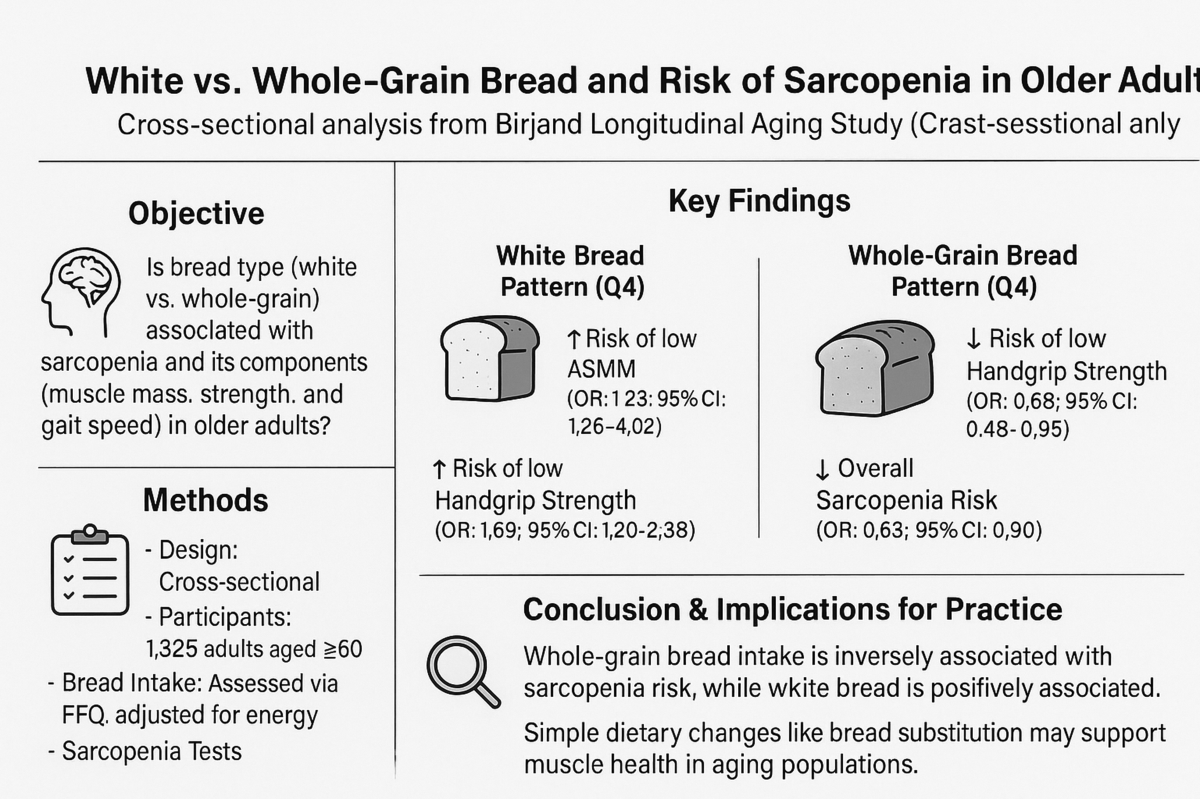
Mechanism: Quick digestion mimics sugar—blood sugar spikes, inflammation rises, short-chain fatty acids (e.g., butyrate for gut lining) drop. Low fiber starves beneficial bacteria. WHO links high refined-carb diets to 20–30% higher chronic disease risk, straining immunity.
Evidence: Gut dysbiosis reduces immune signaling; zinc/iron shortfalls impair T-cells.
Swaps:
- Whole grains: Quinoa, brown rice, oats, barley, whole-wheat bread.
- Breakfast: Overnight oats with nuts/seeds vs. sugary cereal.
- Recipe: Quinoa veggie bowl—cook quinoa, add roasted veggies, olive oil, herbs (fiber + polyphenols).
- Transition: Mix refined/whole gradually.
Whole grains promote satiety, stable blood sugar, and microbiome health—essential for 70% gut-based immunity.
Top 10 Proven Benefits of Regular Exercise for Health and Wellness
3. Fried Foods and Trans/ Saturated Fats
French fries, chips, doughnuts, fast-food items, and deep-fried snacks generate harmful compounds.

Mechanism: High-heat creates AGEs (oxidative stress); trans fats inflame cells/arteries. Omega-6 excess vs. omega-3 imbalance boosts cytokines. Journal of the American College of Cardiology links trans fats to 23%+ cardiovascular risk, indirectly taxing immunity via chronic inflammation and gut permeability.
Evidence: Frequent intake promotes leaky gut, allowing toxins to trigger immune overreactions.
Swaps:
- Bake/air-fry for crunch with 70–80% less oil.
- Roasted veggies/nuts as snacks.
- Recipe: Baked sweet potato fries—season with paprika, herbs; dip in Greek yogurt (probiotic bonus).
- Oils: Olive/avocado for cooking.
Cutting fried foods improves skin, joint health, and pathogen resistance.
4. Processed and Red Meats
Bacon, sausages, hot dogs, deli meats, and excessive red meat contain nitrates, sodium, preservatives.

Mechanism: Nitrates form nitrosamines (carcinogenic/inflammatory); high sodium disrupts fluid balance; preservatives alter gut flora. WHO classifies processed meats as Group 1 carcinogens; Harvard studies show daily servings raise chronic risk 13%. White blood cell function declines.
Evidence: Inflammation and microbiome shifts increase infection susceptibility.
Swaps:
- Lean fresh proteins: Grilled chicken, turkey, fish, eggs, legumes.
- Plant-based: Lentil burgers, bean chili.
- Recipe: Turkey stir-fry with veggies and ginger (anti-inflammatory).
- Limit processed to rare occasions; choose nitrate-free when possible.
Whole proteins aid muscle repair and sustained energy.
15 Best Kitchen Foods & Ingredients to Boost Your Immune System Naturally
5. Excessive Alcohol
Regular/heavy drinking beyond moderate limits harms broadly.

Mechanism: Dehydrates cells, suppresses bone marrow (fewer immune cells), disrupts sleep (T-cell recovery time), damages gut lining (bacterial leakage). Alcohol Research: Heavy intake reduces T/B-cell activity, raising infection risk 3–4x.
Evidence: Even moderate excess impairs recovery from illness.
Guidelines: ≤1 drink/day women, ≤2 men.
Swaps:
- Mocktails: Sparkling water + citrus/herbs.
- Recipe: Ginger-turmeric iced tea (anti-inflammatory).
- Low-alcohol kombucha for gut support.
Moderation enhances sleep, focus, and defenses.
6. Ultra-Processed Foods and Snacks
Chips, cookies, frozen meals, instant noodles—loaded with additives, emulsifiers, sugars, salts, fats.

Mechanism: Trigger systemic inflammation, disrupt microbiome, displace nutrients. BMJ 2025: Linked to 10%+ higher disease risk. Deficiencies in A/C/D/zinc follow.
Evidence: Emulsifiers harm gut barrier; low variety starves immune-supporting microbes.
Swaps:
- Whole snacks: Nuts, fruit, veggie sticks + hummus.
- Meal prep: Batch soups/stews.
- Recipe: Homemade trail mix—nuts, seeds, dark chocolate (antioxidants).
Real foods restore what processed items deplete.
Daily Walking Benefits: 15 Surprising Benefits You Didn't Know
7. High-Sodium Foods
Salty snacks, canned soups, fast food, processed cheeses exceed needs.

Mechanism: Excess causes fluid retention, hypertension, immune cell dysfunction. CDC: High-sodium diets increase infection vulnerability via inflammation.
Limit: <2300 mg/day (ideally 1500 mg for many).
Swaps:
- Flavor with herbs/spices, lemon, garlic.
- Rinse canned goods; make homemade versions.
- Recipe: Herb-roasted potatoes instead of chips.
Balanced sodium supports heart and immune efficiency.
"You Are What You Eat" battery-style chart comparing junk vs. healthy foods for energy/brain/immune support

Rebuilding Immunity: 7-Day Global Meal Plan & Tips
Days 1–3: Cut sugars/refined grains; focus whole carbs + protein.
- Breakfast: Greek yogurt + berries + chia.
- Lunch: Quinoa salad with veggies/chicken.
- Dinner: Baked salmon + broccoli.
- Snacks: Apple + almonds.
Days 4–7: Eliminate fried/processed; add boosters.
- Breakfast: Oatmeal + nuts/cinnamon.
- Lunch: Lentil soup + greens.
- Dinner: Stir-fried tofu/veggies over brown rice.
- Snacks: Carrot sticks + hummus; citrus.
Daily Habits: 3L water, 30-min exercise, 7–9 hrs sleep, stress management (meditation/walks).
Bonus Boosters: Garlic (allicin), yogurt (probiotics), nuts/seeds (zinc/E), berries/citrus (C), fatty fish/eggs (D).
You May Like:
· Healthy Food & Health Tips | Health Care Guide – Health Is Wealth
· Sustainable Beauty Trends 2026: Healthy Fashion Guide
· Top Nail Trends in the U.S. 2026: Butter Yellow, Chrome, Mocha Mousse & More
· Top 10 Proven Benefits of Regular Exercise for Health and Wellness
· Drumstick Benefits for Male and Female Health: Boost Energy, Enhance Fertility & More
Frequently Asked Questions (FAQs)
1. What are the worst foods for your immune system?
According to dietitians, the worst foods for your immune system are highly processed foods, sugary drinks, refined carbohydrates, excessive alcohol, and foods high in sodium or unhealthy trans fats. These items trigger chronic inflammation, gut imbalances, and weaken your white blood cells' ability to fight infections.
2. How does sugar weaken your body's immune defense?
Spikes in refined sugar can temporarily paralyze your white blood cells—specifically neutrophils—reducing their capacity to destroy harmful bacteria and viruses. Consuming sugary foods consistently keeps your body in a state of low-grade inflammation, making you more susceptible to falling sick.
3. Can fried foods increase your chances of getting sick?
Yes. Fried foods are packed with Advanced Glycation End-products (AGEs) and unhealthy fats that cause cellular damage and systemic inflammation. This constant state of inflammation overworks your immune system, leaving it too exhausted to defend against actual pathogens.
4. Why do dietitians emphasize gut health for a strong immune system?
Dietitians focus heavily on the gut because roughly 70% to 80% of your immune system resides in your gut lining. Ultra-processed foods and artificial sweeteners destroy beneficial gut bacteria, breaking down this crucial barrier and severely lowering your immunity.
5. What drinks should you avoid to protect your immunity?
To maintain a strong immune system, you should avoid sugary sodas, energy drinks, excessive caffeine, and alcohol. Alcohol, in particular, disrupts the gut microbiome and impairs the body’s natural immune response, making it harder to recover from illnesses.
6. Do refined carbohydrates impact immune health?
Absolutely. Refined carbohydrates like white bread, pastries, and instant noodles behave exactly like sugar in the body. They cause rapid blood glucose spikes and lack the essential fiber, vitamins, and minerals required to feed a healthy immune response.
7. How does a high-sodium diet affect white blood cells?
Excessive salt intake can suppress your body's immune functions. Studies show that when the body has to process too much sodium, it can lead to a deficiency in the immune system's ability to combat bacterial infections effectively.
8. Are artificial sweeteners safe for immune health?
While they contain zero calories, many artificial sweeteners can negatively alter the composition of your gut microbiota. Since your gut health directly dictates your immune strength, disrupting this balance can leave your body less prepared to fight off seasonal viruses.
9. What are the signs that your diet is weakening your immune system?
Common signs include catching frequent colds, feeling constantly fatigued, slow wound healing, frequent digestive issues (like bloating or cramping), and experiencing mysterious skin breakouts or joint pain stemming from systemic inflammation.
10. How quickly can swapping out these "worst foods" improve immunity?
While deep cellular repair and gut microbiome rebuilding take time, cutting out inflammatory foods and replacing them with nutrient-dense options can start lowering your body's inflammatory markers and boosting your energy levels in as little as a few days to a week.
11. Can I have these occasionally?
12. Supplements instead?
13. Vegetarian/Indian diet friendly?
Consult your doctor/dietitian for personalization, especially with conditions.
Start today—your stronger, more resilient immune system awaits. Share your swaps below!
Athleisure Takeover:
Why Sportswear is 2026’s Hottest Fashion Trend
Conclusion: Take Control of Your Immunity Starting Today
Your immune system isn’t something that just “happens” — it’s a living, responsive network that you can support or sabotage every single day through the foods you choose. The seven foods we’ve covered — added sugars, refined grains, fried foods, processed meats, excessive alcohol, ultra-processed snacks, and high-sodium items — are not occasional villains; they are common staples in modern diets that quietly drive inflammation, disrupt the gut microbiome, suppress key immune cells, and increase vulnerability to infections, fatigue, and slower recovery.
The good news? You don’t need extreme diets, expensive supplements, or perfect eating to see real change. Small, consistent swaps — replacing soda with infused water, white bread with whole grains, fried snacks with roasted nuts, processed meats with fresh proteins — create compounding benefits. Within just a few weeks, many people notice steadier energy, fewer colds, better digestion, and a general sense of resilience, especially during high-stress or high-viral seasons.
In 2026, when new variants, environmental stressors, and busy lifestyles continue to challenge our health, the single most powerful daily decision you can make for immunity is what you put on your plate. Focus on whole, nutrient-dense foods rich in vitamins C, D, E, zinc, selenium, fiber, and probiotics: colorful fruits and vegetables, nuts and seeds, fermented foods like yogurt or kefir, lean proteins, healthy fats, and plenty of water.
You now have the knowledge — and the practical swaps — to stop unknowingly weakening your defenses and start actively strengthening them.
How Can Mindful Fashion
Boost Your Mental Well-being?
Your simple next steps:
- Pick 1–2 of the seven foods to reduce this week (most people start with sugary drinks or ultra-processed snacks — the biggest wins come fastest there).
- Add one immune-supporting habit daily: a piece of citrus, a handful of nuts, or a serving of yogurt.
- Follow the 80/20 rule: aim for whole foods ~80% of the time and allow flexibility the rest.
- Track how you feel after 2–4 weeks — energy, mood, number of sick days — and adjust from there.
Your body is designed to protect you — give it the right fuel, and it will reward you with better health, fewer interruptions, and greater confidence going into any season.
Ready to reclaim your immune strength? Start with one small swap today. Your future, healthier self will thank you.
Follow us @
Pinterest,
LinkedIn, Facebook,
Telegram,
Instagram, Facebook Page

We welcome your comments and feedback. Feel free to share this article on Pinterest, Facebook, Instagram, LinkedIn, and Twitter to support our blog and help others discover healthy lifestyle and fashion tips.